
Reverse Engineering my Kitchen Garden Plan
Part Two of my Kitchen Garden Plan

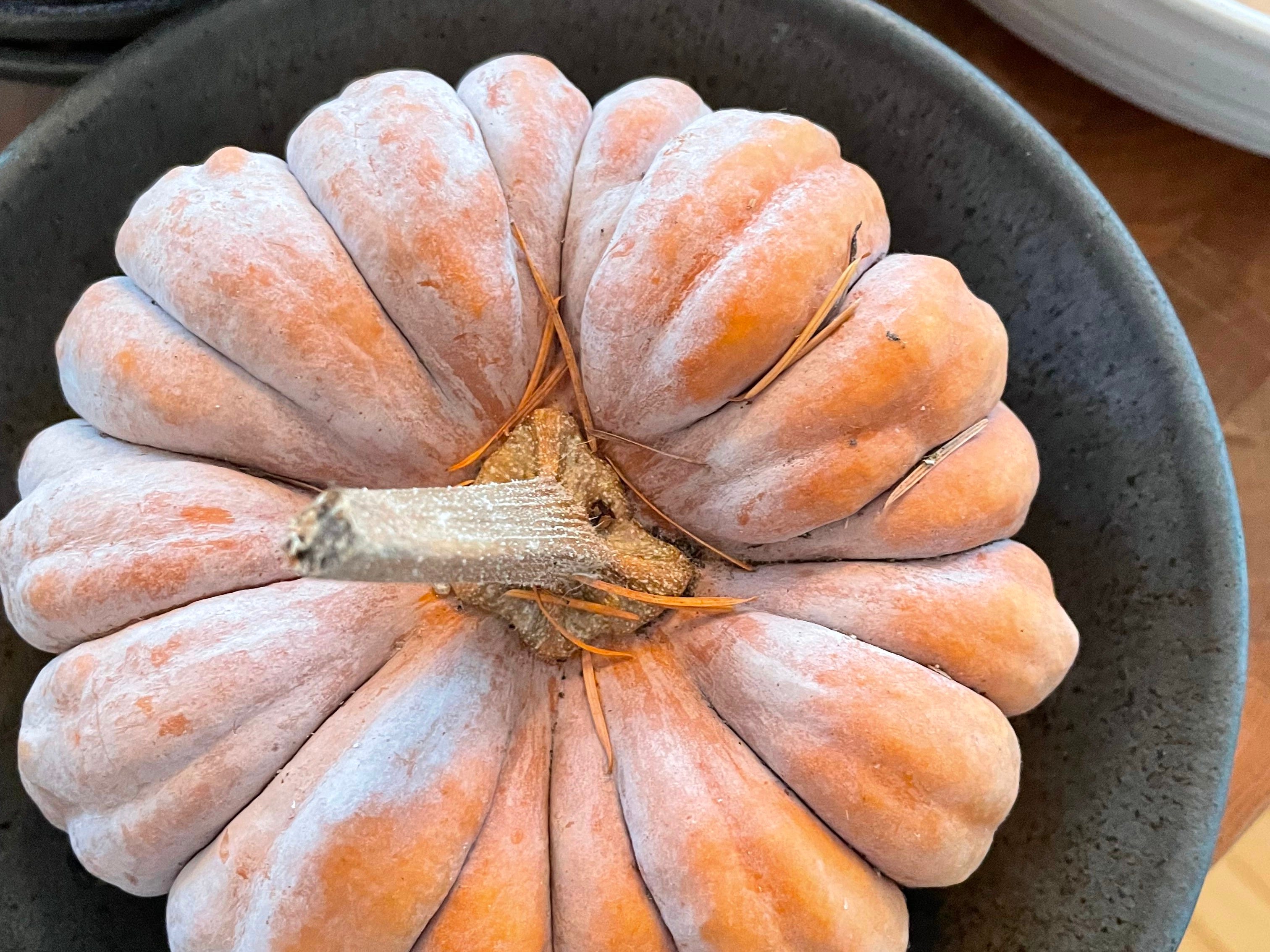
I write to you from a very stormy tiny island today. Near by, a state of emergency has been declared due to flooding. Thankfully, we are with power and safe and have managed to make a cozy day of it.
It is storm season here. And while the freezing rain and snow has not hit us yet, the power flickers and threatens to go out daily. In preparation I have defrosted some meals from the freezer, ensured we have batteries and flashlights handy, and did the laundry ahead of schedule.
When we preserve food from summer and fall harvest, I focus on a mix of preserved food, frozen whole foods, and frozen prepared foods. I tend to make a few big batches of easy meals that only require reheating in a pot, so those are great to have ready in case I need to use the camp stove (outside) to heat a meal. Soups and curries, stews and pasta are the usual pre-made fare for such a time. They also make quick lunches for when we need something warm and filling with little effort.
The best strategy I have for kitchen garden planning, is that I reverse engineer our meal plan.
It seems so obvious, but it is amazing how once I started listing exactly WHAT we eat and the QUANTITY for each variety, I realized that we were growing too much of some foods and not nearly enough of others. All too often, eager gardeners are left with an abundance of lettuce ALL AT THE SAME TIME. Planting seeds is fun and I definitely advocate for always planting a little more than you think you will need to account for crop loss. But when we consider how much more food is on one broccoli plant compared to a head of broccoli from the grocery store, we realize that there is immense efficiency in calculating what we will use.
I divide the year into the 8 Celtic seasons, because that aligns with our seasonal shifts in food. I then make a list of the ingredients we need and want for each season. A great source of inspiration is Sow, Grow, Harvest, Rest by Rosie Steer.
I love to use a journal and make lists. I am a pen and paper gal and so if you are looking for a spreadsheet, I don’t have it. I love having a creative visual to work with when I plan. And many many journals.
I start with the following lists:
Meal plans
Priority foods that we need
Wish list for new things
Perennials that we are planting such as trees and shrubs
Materials/tools/seeds to order
When I think about the food we want to eat throughout the year, I definitely consider a mix of fresh and preserved food for winter. We are fortunate enough to be able to grow many things through winter and we will supplement that with storage vegetables, squash, canned and frozen produce such as tomatoes and fruit.
If you are new to this or in your first few years, I highly recommend taking the time to think about what you love to cook and eat. Knowing exactly how much of something you will eat helps to identify priorities. For us, we eat a lot of garlic and so we dedicate a considerable amount of space to it. We also use tomatoes, squash, alliums, herbs, beans and brassicas. For beans, we plan out our fresh beans which we enjoy in summer, or freeze, and then we also grow dried beans. Which are one of the easiest and most nutritious foods to grow. I think about how much squash we will use up, and onions, leeks, greens, and so on. I think about the kinds of meals we have on regular rotation in fall and winter. I don’t need a year of onions, for example, because in spring we will have bunching onions and leeks, so it is nice to switch to the greener version.
A Summary
We will grow more perennial vegetables/fruit this year:
leeks
asparagus- we have 2 year old plants to put in the ground
kale
broccoli
spinach
more Saskatoons and Salmonberries
Our annual vegetables, most of which will be grown from our own seed:
tomatoes, basil, and cucumbers in the greenhouse
lettuce, arugula, mizuna
bunching onions, leeks
peas and beans (for both fresh and dried)
kale and chard
beets, carrots, garlic
favas and chickpeas
and loads of flowers for market bouquets and pollinators
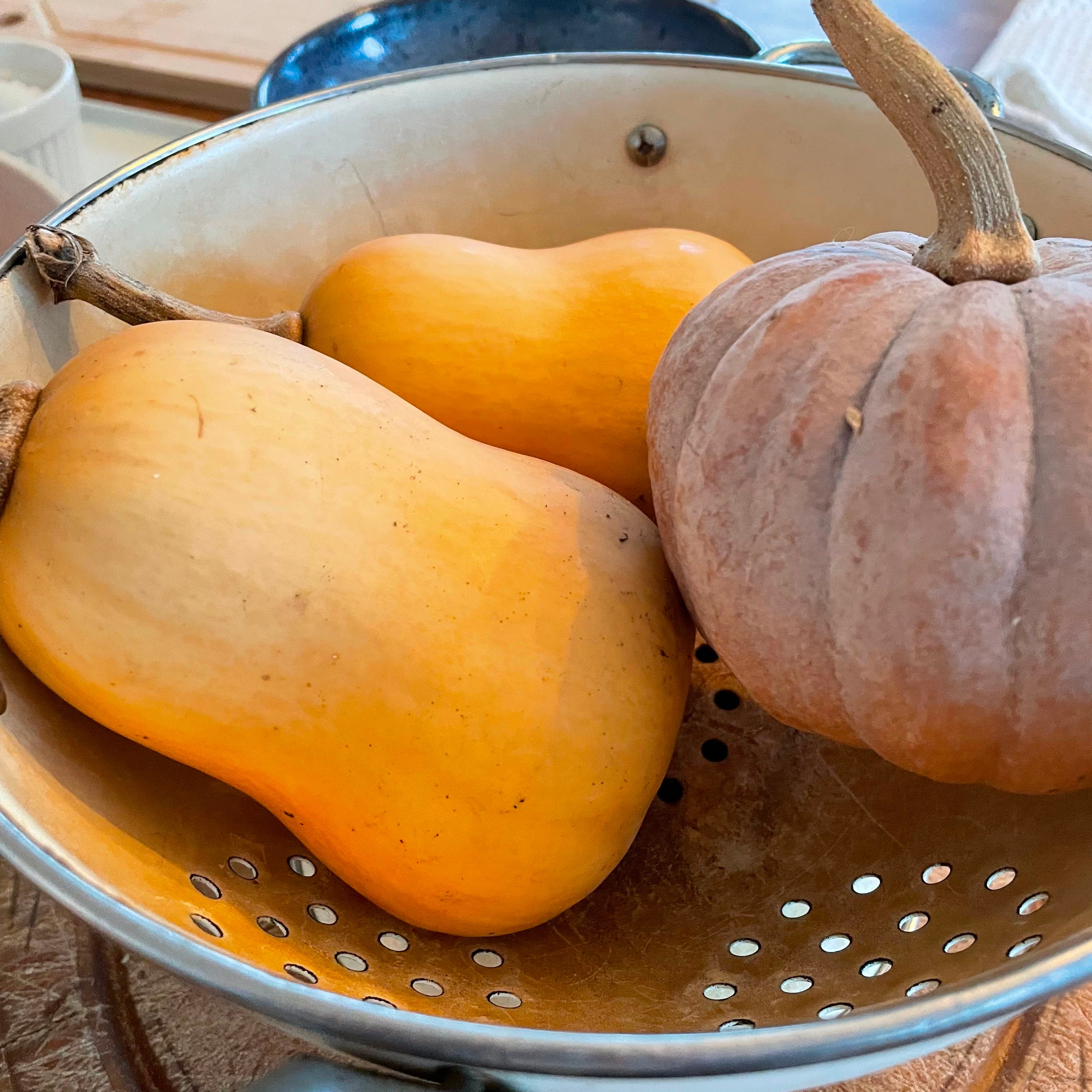
I was delighted to see Nigel Slater’s latest recipe for roasted squash with oats. I made it and it was lovely. But more than that, I cooked it with all homegrown food (except for the olive oil, butter and local bacon.) Seeing winter squash get more coverage as a versatile vegetable truly makes me happy. It is a major staple for us in winter. It has loads of potassium, vitamin C, and fiber- all things we need in winter and replaces imported tropical fruit.
One more thought on squash, it is easy to grow, drought-tolerant, and the varieties offer a range of flavour profiles and uses. So if you are planning your kitchen garden, I highly recommend making some space for winter squash. Most seed packets or suppliers will even tell you approximately how many fruit will grow per plant.
In Part 3, I will be sharing strategies for growing in small spaces, building new gardens, and working in drought conditions. Please let me know what seeds you are starting and what you are planning for your kitchen garden.
~Kimberley
I’ll be planting most of the same plants - although I’ve given up on Fava beans even though they grow so well here in Richmond, BC and I love them. Arthritis means they are too much work to shell.
I now make sure I have room in the garden for plants that give me winter veg. Lots of kale and leeks still in the garden today. Cranberry drying beans in the jar, lots of veg in the freezer and a variety of canned fruit and salsas.
Gardening definitely requires more organization than before.
Wise words, Kimberley! Prioritizing like this makes all the difference.